
Hreflang Explained for English-Spanish Local Business Websites
Understand how hreflang tags work for bilingual local business websites. Learn why hreflang is essential for English-Spanish SEO and how to implement it corr...
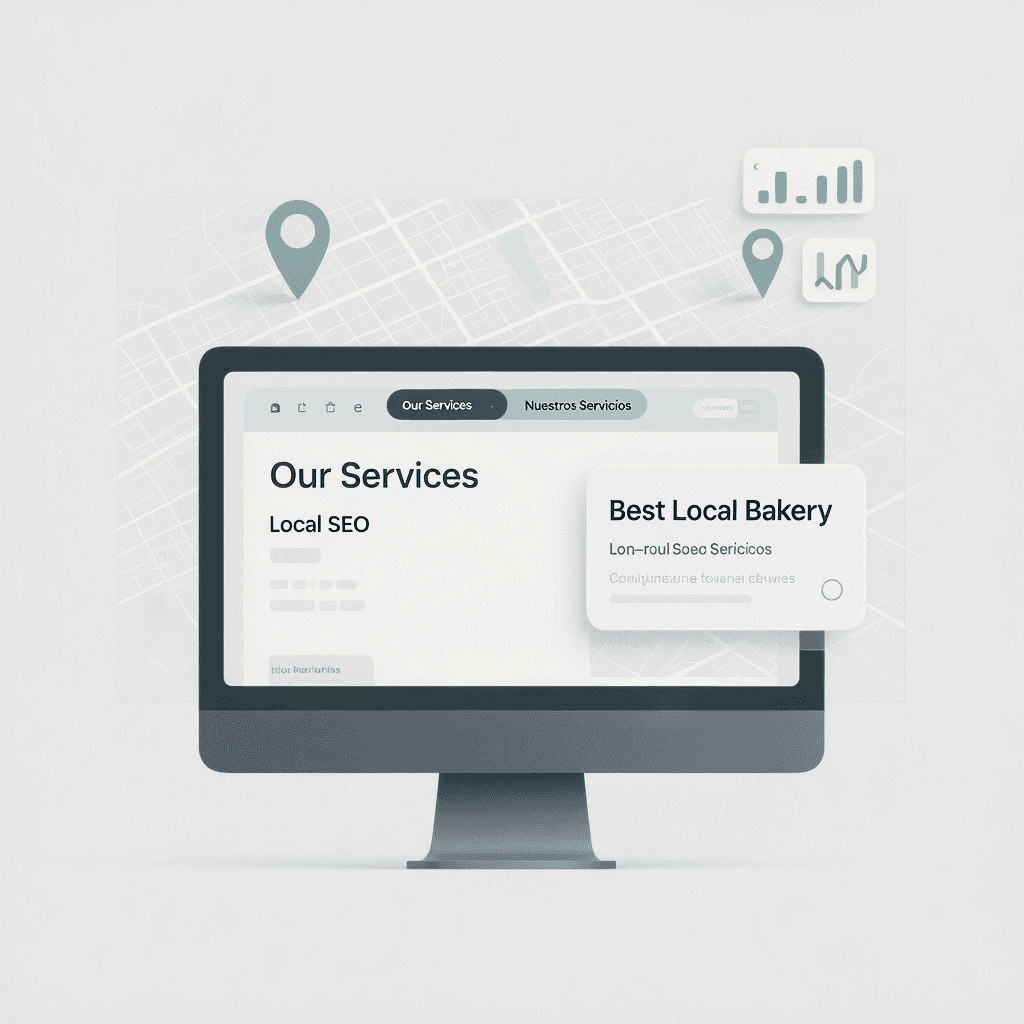
If your local business website is available in both English and Spanish, hreflang is one of the most important SEO tools you can use—and one of the most misunderstood. Hreflang helps Google understand which language version of your website to show to users. When it's set up correctly, English speakers see English pages and Spanish speakers see Spanish pages. When it's not, Google may rank the wrong version or treat your pages as duplicates.
1Why Hreflang Matters for Local Businesses
Many local businesses assume bilingual SEO just means translating content. In reality, without hreflang, Google has to guess which page to show. That guess is often wrong. Hreflang prevents duplicate content issues, improves rankings for Spanish searches, creates a better user experience, and helps each language page rank independently.
2How Hreflang Works (In Simple Terms)
Hreflang links equivalent pages together. For example, your English page at /services/ connects to your Spanish page at /es/servicios/. Each page tells Google: 'This page exists in another language.' This relationship helps search engines serve the right version to the right users.
3The Most Common Way to Add Hreflang
Most local business sites use HTML tags in the page header. Each page includes a reference to itself, a reference to its translated version, and an optional x-default version. This tells search engines exactly how pages relate to each other across languages.
4Common Mistakes to Avoid
Many hreflang issues come from small technical errors: forgetting to link pages both ways, pointing Spanish pages to English canonicals, using auto-translated content, or linking all languages to the homepage. Any of these can cause hreflang to be ignored entirely.
5How to Check If It's Working
You can validate hreflang using Google Search Console, SEO crawlers like Screaming Frog, or site audits in tools like Ahrefs. Regular validation ensures your hreflang implementation continues to work as your site grows.
Key Takeaway
If you're bilingual and serious about SEO, hreflang isn't optional—it's foundational. Proper hreflang implementation ensures both your English and Spanish pages can rank independently and reach the right audiences.
Related Topics
Continue Reading
Bilingual SEO Best Practices for Phoenix Local Businesses (English-Spanish)
Learn how Phoenix local businesses can optimize for both English and Spanish searches. Reach more customers with bilingual SEO strategies tailored for the Ar...
Spanish MarketingChoosing the Right URL Structure for English-Spanish SEO
Learn how to structure URLs for bilingual English-Spanish websites. Discover why subdirectories work best for local business SEO and how to implement them co...
Bilingual AdvertisingBilingual SEO Best Practices for Local Businesses
Master bilingual SEO for your local business. Learn keyword research, content strategy, and technical optimization for English and Spanish websites.
Need help implementing hreflang on your bilingual website?
Let us help you with your bilingual advertising project. Our team of experts is ready to bring your vision to life.