
Bilingual Chatbot Implementation Guide | ABE Media
Complete guide to building and deploying bilingual chatbots. Learn architecture, language detection, and best practices for English-Spanish chatbot development.
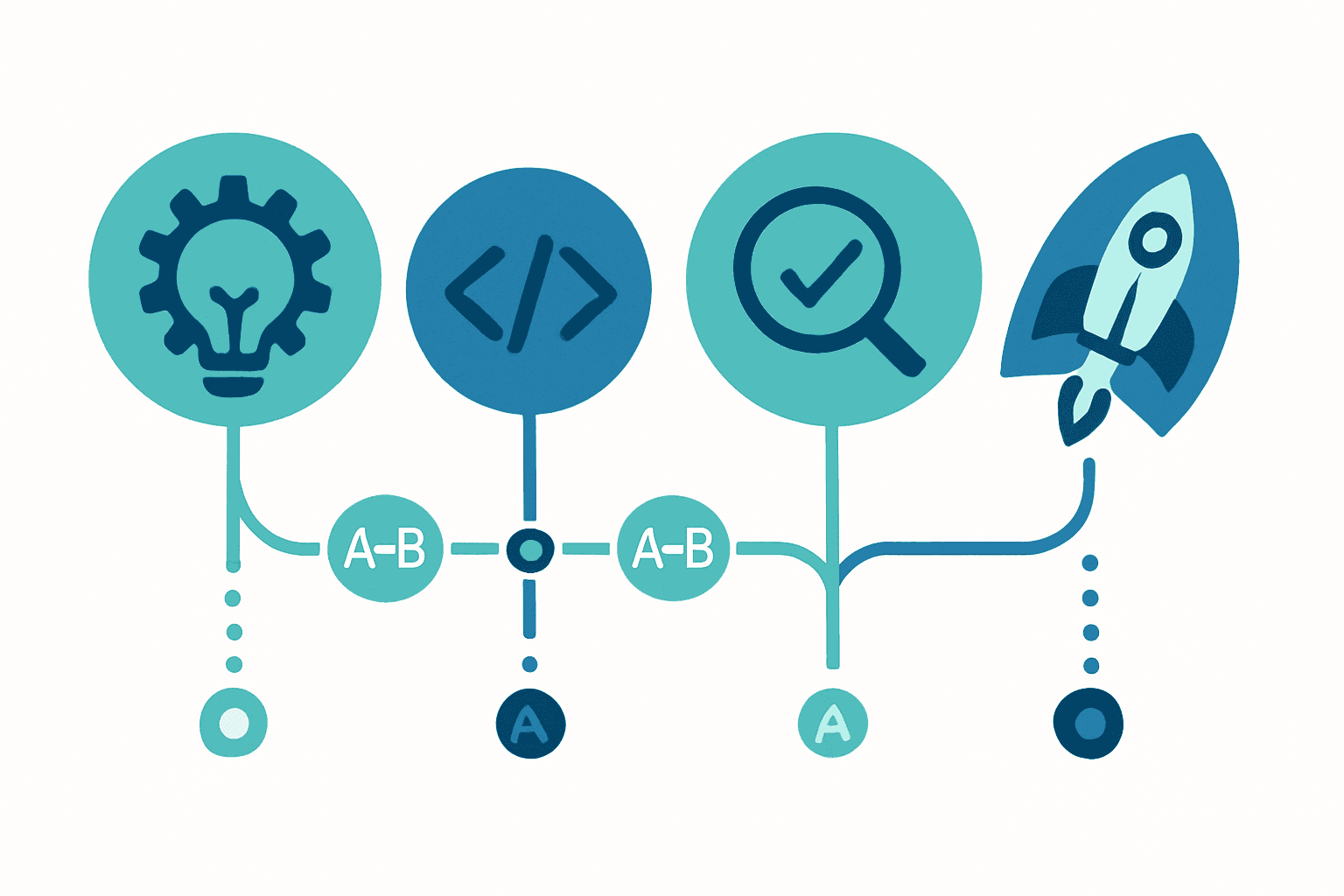
Implementing a bilingual chatbot that seamlessly serves both English and Spanish-speaking customers requires more than simply translating responses. True bilingual chatbot implementation demands thoughtful architecture decisions, sophisticated language detection, culturally-appropriate conversation design, and robust testing across both languages. Many businesses attempt bilingual chatbots only to discover their Spanish experience feels like an afterthought—translated rather than native, awkward rather than natural. This comprehensive guide walks you through every phase of bilingual chatbot implementation, from initial planning and platform selection through deployment and ongoing optimization. Whether you're building a customer service bot, sales assistant, or lead qualification system, these principles ensure your chatbot serves Hispanic customers with the same quality and authenticity as English speakers.
1Planning Your Bilingual Chatbot Architecture
Successful bilingual chatbot implementation starts with architectural decisions that support dual-language operation from the foundation. Choose between unified or separate bot architectures: unified bots handle both languages within a single system using language detection and conditional flows, while separate bots maintain distinct English and Spanish instances. Unified architectures simplify maintenance and ensure feature parity, but require more sophisticated language handling. Separate bots allow language-specific optimization but risk divergent experiences. Consider your Natural Language Understanding (NLU) platform's multilingual capabilities—some platforms handle Spanish excellently while others struggle with regional variations. Plan your conversation database structure to store and retrieve responses in both languages efficiently. Design your integration architecture to pass language context to backend systems, ensuring order confirmations, account information, and dynamic content return in the user's preferred language.
2Language Detection and Selection Strategies
How your chatbot determines user language preference significantly impacts experience quality. Implement multiple detection layers: initial detection from user's first message, browser/device language settings as fallback, and explicit language selection option always available. Modern NLU platforms can detect language from a single word, but accuracy improves with longer inputs. Handle mixed-language inputs gracefully—many bilingual users code-switch naturally, and your bot shouldn't break when they do. Store detected preference for session continuity so users don't need to re-establish language repeatedly. Consider proactive language offering: in markets with significant Hispanic populations, greeting users with a bilingual welcome that offers clear language choice demonstrates cultural awareness. Never force users into language selection before they can interact—detect automatically first, then allow easy switching.
3Designing Bilingual Conversation Flows
Conversation design for bilingual chatbots requires parallel development in both languages, not sequential translation. Create conversation flows with native speakers of each language involved from the start. Spanish conversations naturally include more greeting rituals, relationship acknowledgment, and formality considerations than English equivalents—design these cultural elements natively rather than adding them as translations. Determine formality level: will your Spanish bot use tú (informal) or usted (formal)? This decision affects every response and should align with your brand voice and target demographic. Design fallback and error messages that feel natural in both languages—generic error messages translated poorly create frustration. Build conversation repair strategies for each language, as misunderstandings manifest differently in Spanish versus English. Map out language-specific paths where cultural differences warrant different approaches to the same goal.
4Training NLU for Spanish Understanding
Natural Language Understanding training for Spanish requires dedicated effort beyond translating English training data. Create Spanish training examples from scratch with native speakers, capturing how real Spanish speakers express intents differently than English speakers. Include regional vocabulary variations—Mexican Spanish, Caribbean Spanish, and US Hispanic Spanish each have distinct expressions your bot should understand. Train on informal expressions, slang, and Spanglish common among your target users. Account for Spanish grammatical features: verb conjugation variations, dropped pronouns, and flexible word order all affect how intents are expressed. Build robust entity recognition for Spanish names (including dual surnames), addresses (different formatting), and numbers (decimal comma vs. period conventions). Test NLU performance separately for each language, as Spanish often requires more training examples due to linguistic complexity. Continuously improve Spanish understanding by analyzing failed intents from production conversations.
5Integration and Backend Considerations
Bilingual chatbot integration extends language handling throughout your technology stack. Ensure CRM integration captures and surfaces language preference so human agents receiving escalations know which language to use. Configure email and SMS notifications triggered by chatbot interactions to send in the user's detected language. Design API calls to request and receive localized content—product information, pricing, and availability should return in appropriate language. Build reporting that segments chatbot analytics by language, enabling performance comparison and language-specific optimization. Implement translation fallbacks for dynamic content that may not have Spanish versions, using AI translation with quality warnings rather than showing English to Spanish-preferring users. Test integration points thoroughly in both languages, as backend systems often have hidden English assumptions that break Spanish experiences.
6Testing, Deployment, and Optimization
Rigorous testing across both languages prevents embarrassing post-launch discoveries. Conduct functional testing of every conversation path in both languages with native speakers—automated tests catch technical issues but miss cultural awkwardness. Test language switching scenarios: what happens when a user starts in English and switches to Spanish mid-conversation? Perform load testing to ensure language detection and response generation perform adequately under volume. Deploy with monitoring dashboards that track performance metrics separately by language: response accuracy, conversation completion rates, user satisfaction, and escalation frequency. Establish feedback loops where native Spanish speakers review conversation logs regularly, identifying improvement opportunities invisible to English speakers. Plan for ongoing optimization, as Spanish performance typically requires more iteration than English to achieve equivalent quality. ABE Media specializes in bilingual chatbot implementation that delivers authentic, effective experiences in both English and Spanish from day one.
Key Takeaway
Bilingual chatbot implementation done right creates seamless experiences for both English and Spanish-speaking customers, expanding your service capabilities while demonstrating cultural commitment to Hispanic audiences. Success requires treating Spanish as a first-class language throughout the development process—not an afterthought to be translated later. By planning bilingual architecture from the start, implementing intelligent language detection, designing culturally-appropriate conversations, training NLU on native Spanish data, integrating language awareness throughout your stack, and testing rigorously with native speakers, your chatbot will serve Hispanic customers with the quality they deserve and increasingly expect.
Related Topics
Continue Reading
Spanish Chatbot Training: NLU Best Practices | ABE Media
Train chatbots for Spanish language understanding. Learn NLU training, intent recognition, and conversation design for Spanish-speaking users.
Chatbot DevelopmentChatbot Analytics: Measuring Bilingual Bot Performance | ABE Media
Track chatbot metrics across English and Spanish conversations. Learn KPIs, language-specific analysis, and optimization strategies for bilingual bots.
Ready to build a chatbot that serves customers in both languages?
Let us help you with your bilingual chatbots project. Our team of experts is ready to bring your vision to life.